
Tax and Accounting
What is an NPWP in Indonesia? NPWP for foreigners explained - Celerity Bali
June 7, 2026

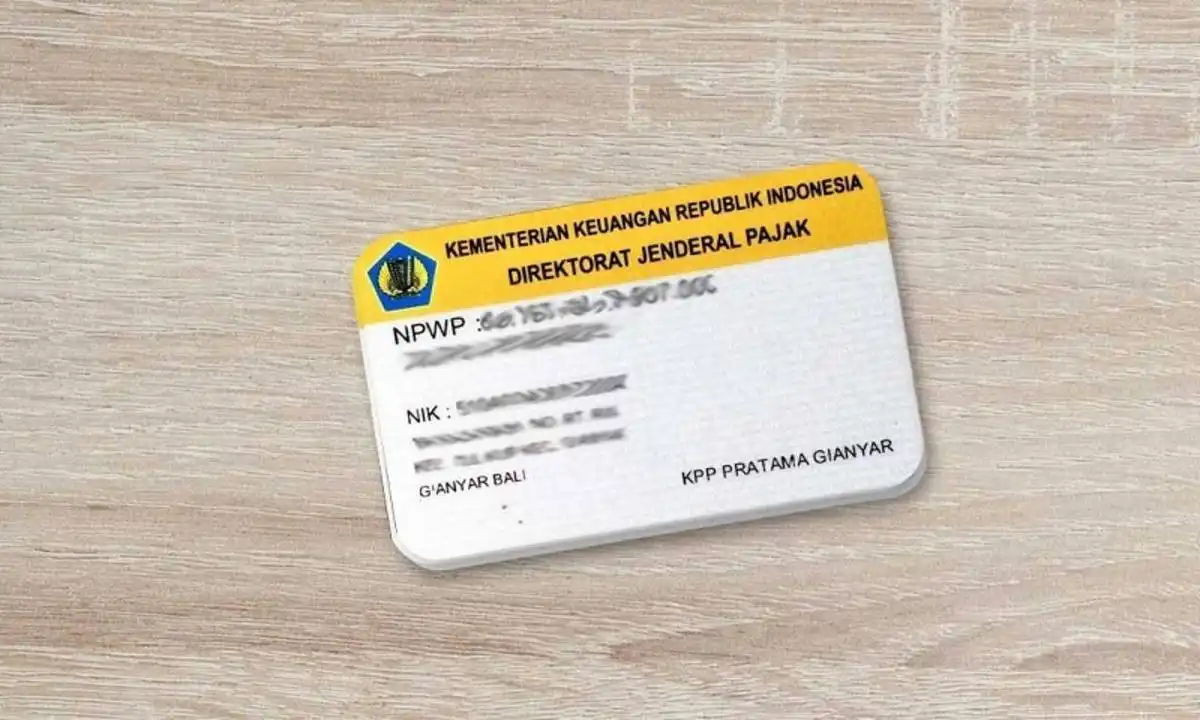
The NPWP is an essential requirement for your expatriate journey in Indonesia, yet it remains one of the most misunderstood documents for foreigners. Here is everything you need to know about the NPWP as a foreign resident.
What is an NPWP in Indonesia?
NPWP stands for Nomor Pokok Wajib Pajak. In plain English, this is your Tax Identification Number.
The NPWP is the unique identifier used by the Indonesian Tax Office, known as Pajak, to manage your tax obligations and identify you within the national financial system.
Who needs to register for an NPWP?
Under Indonesian law, any individual or entity classified as a fiscal resident is required to register for an NPWP. This includes:
- All Indonesian citizens residing in Indonesia.
- Foreigners residing in Indonesia (typically holders of a KITAS or KITAP).
- Foreigners who spend more than 183 days within a 12-month period in Indonesia.
- All Indonesian legal entities (PT or PT PMA) and permanent establishments.
Once you officially reside in Indonesia as a foreigner—for example, by securing a KITAS—you are generally considered a tax resident and must fulfill your registration obligations. If you own a company in Indonesia, you will maintain two separate IDs: one for the business and one for yourself as an individual.
What does an NPWP allow you to do?
Possessing an NPWP is either mandatory or highly beneficial for several key activities:
- Employment: Legally earning a salary or income within Indonesia.
- Banking: Opening and maintaining local bank accounts.
- Asset Ownership: Purchasing real estate or land (under appropriate legal structures).
- Financing: Applying for personal or business loans from Indonesian financial institutions.
- Global Compliance: Proving your fiscal residency to foreign banks or authorities to avoid double taxation or satisfy "Know Your Customer" (KYC) requirements.
Broadly speaking, any transaction involving significant sums of money or formal tax reporting will eventually require an NPWP.
Tax benefits for foreigners with an NPWP

Owning an NPWP can significantly reduce your tax burden on locally sourced income. Without an NPWP, many payments made to foreigners are subject to a punitive surcharge.
For instance, if you rent out a property as a non-resident without an NPWP, the withholding tax on that income is typically 20%. However, if you are a resident with an NPWP, this rate is often reduced to 10%. Similar "preferred" rates apply to dividends, royalties, and other forms of income compared to those who remain unregistered.
Note that an NPWP also brings responsibilities. You will be required to file annual tax returns. If you decide to leave Indonesia permanently, you must go through a formal "de-registration" process, which may involve a final tax audit by the authorities.
How to register for an NPWP as a foreigner
The registration process can be complex for those unfamiliar with the bureaucratic landscape.
NPWP is not automatic
A common misconception is that an NPWP is automatically issued alongside your residency visa. This is not the case. You must proactively apply for an NPWP after your KITAS has been issued.
The Registration Process
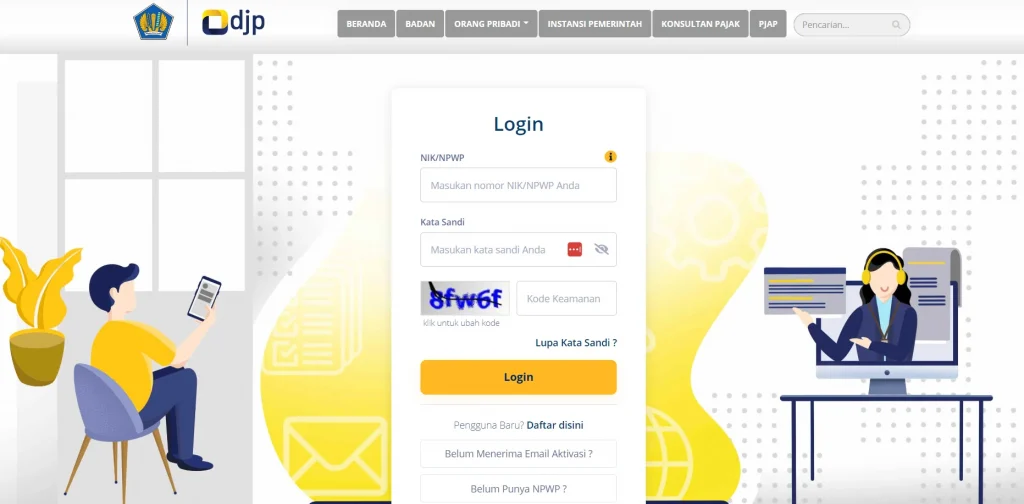
Once you have your KITAS (whether for work, investment, or family stay), you can apply via the official DJP Online portal.
While you can navigate this yourself, many foreigners prefer to use a professional service or their employer's HR department to ensure the data matches their immigration records perfectly. Once the process is complete, you will receive:
- NPWP Number: Your unique 15 or 16-digit taxpayer ID.
- EFIN (Electronic Filing Identification Number): A code required to activate your online account for filing annual tax returns.
Conclusion
The NPWP is a foundational document for any foreigner living or doing business in Indonesia. It allows you to access the local financial system and protects you from higher non-resident tax rates.
It is your legal responsibility as an individual to ensure you are registered and compliant. If you are ready to formalize your tax status, you can obtain a personal Tax ID through Celerity to ensure your application is handled correctly by local experts.