
Stay Permits
What is a KITAS visa? Do you need one? - Celerity Bali
June 7, 2026
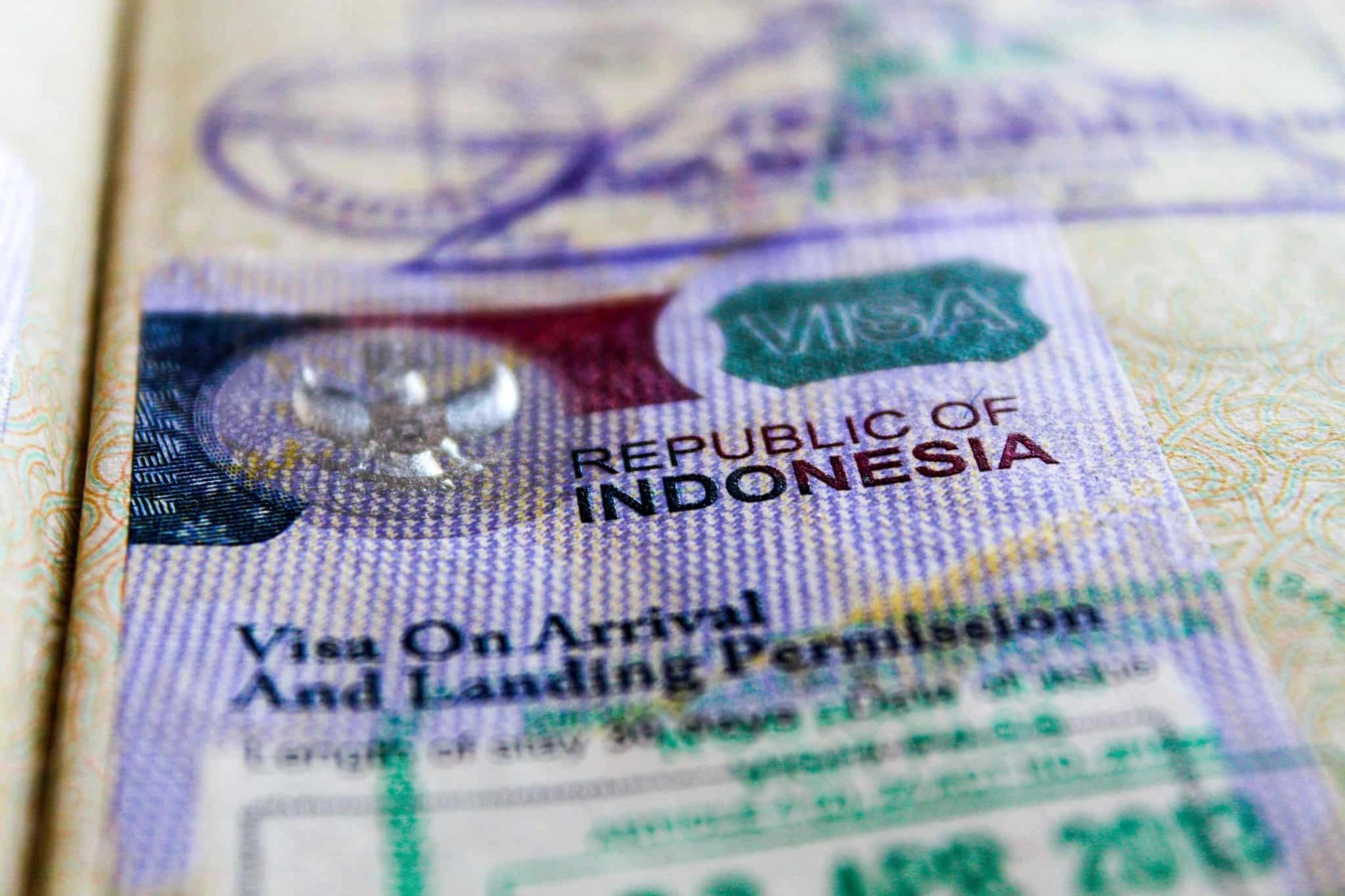
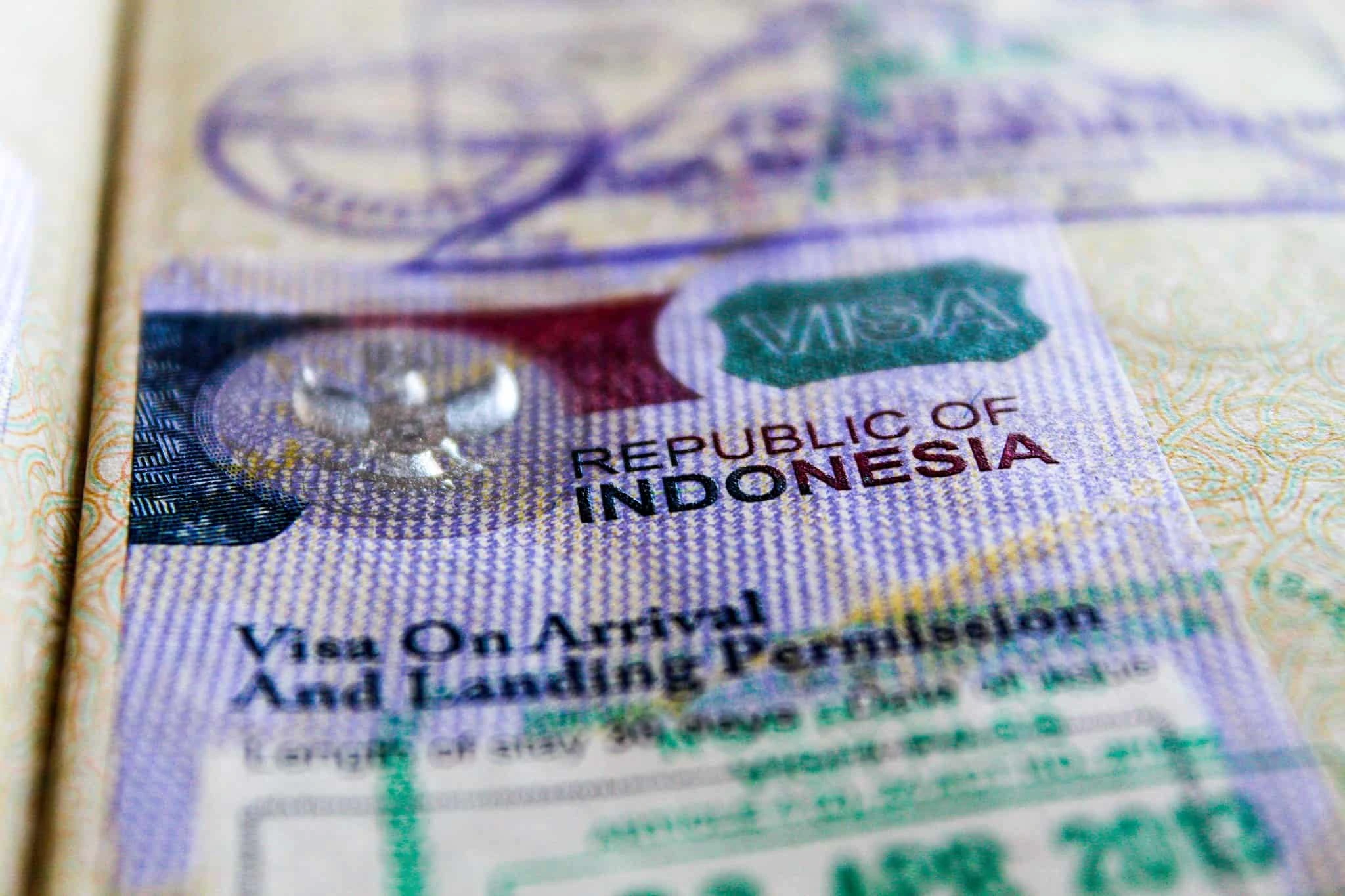
A KITAS, or its more permanent cousin the KITAP, is a term you will encounter frequently if you are interested in moving to Indonesia. Understanding these permits is essential for any founder or executive planning to establish a presence in the country.
This guide explains what a KITAS is, the rights it grants, and how to determine if it is the right visa for your needs.
What is a KITAS Permit in Indonesia?
The acronym KITAS stands for Kartu Izin Tinggal Terbatas, which translates to a Limited Stay Permit. Unlike a standard tourist visa, a KITAS allows you to become a legal resident of Indonesia.
According to the Directorate General of Immigration, this permit is the primary document for foreigners residing in the country. It signifies that you are officially living in Indonesia rather than merely visiting. For many expats, this is the essential step to securing their daily lives in Bali or Jakarta.
Several categories of KITAS exist based on your specific profile. You can apply for an Indonesian KITAS online to begin the residency process.
KITAS vs. Visitor Visas: Key Differences
To understand the difference between a KITAS and a traditional visitor visa (such as a Visa on Arrival or a B211 Visitor Visa), consider the distinction between a tourist and a resident.
- Financial Activities: A visitor is generally expected to spend foreign funds and is prohibited from generating local income. A resident may be authorized to work or earn income.
- Taxation and Services: Visitors do not pay local income tax and are generally not entitled to public health (BPJS) or education. Residents are integrated into the Indonesian tax system.
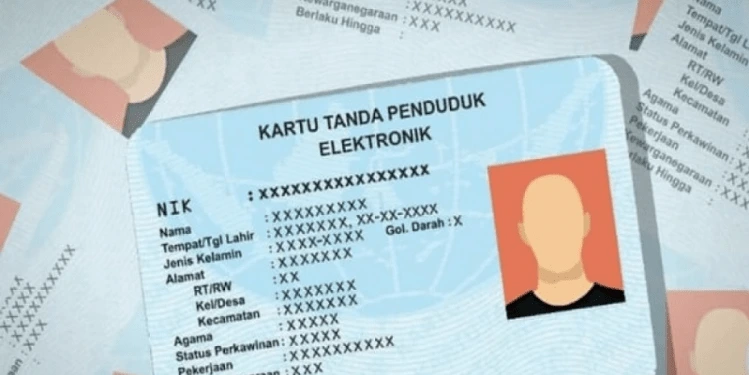
- Documentation: Residents can obtain local driver’s licenses, bank accounts, and ID cards.
- Flexibility: A KITAS holder can enter and leave Indonesia multiple times without needing to re-apply for a visa each trip.
KITAS vs. KITAP: Understanding the Duration
While browsing residency options, you will also see the term KITAP (Kartu Izin Tinggal Tetap). The primary difference is the duration of stay.
- KITAS: A limited permit, typically valid for 6 months, 1 year, or 2 years.
- KITAP: A permanent stay permit, usually valid for 5 years and renewable.
Obtaining a KITAP in Indonesia is generally more complex and restricted to those who have held a KITAS for several consecutive years or are married to an Indonesian citizen. The KITAP offers additional stability and makes it easier to obtain long-term bank loans.
Common Types of KITAS Permits
Indonesia offers specific KITAS categories to suit different business and personal needs.
Working KITAS
This is designed for foreigners employed by an Indonesian legal entity. The sponsoring company must justify the hire and obtain a work permit (Notification) from the Ministry of Manpower.
Investor KITAS
This permit is for shareholders of an Indonesian company (PT PMA). To qualify, an investor must typically hold a minimum amount of shares (usually IDR 1 billion in capital). It is a popular choice for those looking to set up a PT PMA and KITAS simultaneously to manage their local business.
Spouse and Dependent KITAS
Foreigners legally married to Indonesian citizens can apply for a Spouse KITAS. After two years of marriage, this can be converted into a KITAP. A Dependent KITAS is available for the legal spouse and children of a primary KITAS holder (such as an executive or investor).
Retirement KITAS
Available to citizens of specific countries who are 60 years or older (current regulations) and can prove they have sufficient funds to support themselves without working in Indonesia.
Second Home Visa
This is a newer residency category designed for high-net-worth individuals or retirees who wish to reside in Indonesia for 5 to 10 years by showing proof of funds in an Indonesian bank account.
Pros and Cons of KITAS Residency
Advantages
- Ease of Movement: Unlimited entry and exit through the resident immigration lines.
- Financial Access: Ability to open local bank accounts and access local pricing for services.
- Legal Standing: Access to Indonesian driver's licenses and the social security system (BPJS).
Considerations
- Tax Liability: As a resident, you are generally considered an Indonesian tax subject and must obtain a tax ID (NPWP).
- Compliance: You must adhere to strict reporting requirements with local immigration offices.
- Home Country Status: Becoming a resident of Indonesia may impact your tax residency or social benefits in your home country.
Should You Apply?
If you intend to work, manage a company, or stay longer than six months per year, a KITAS is often the most practical and legally compliant route. While the initial paperwork is technical, the long-term stability it provides for business operations and personal life is significant.
For precise guidance on which permit aligns with your business structure, we recommend consulting with Celerity's legal experts.