
Business
C10 Visa: Getting Paid Legally as an Event Participant
June 7, 2026
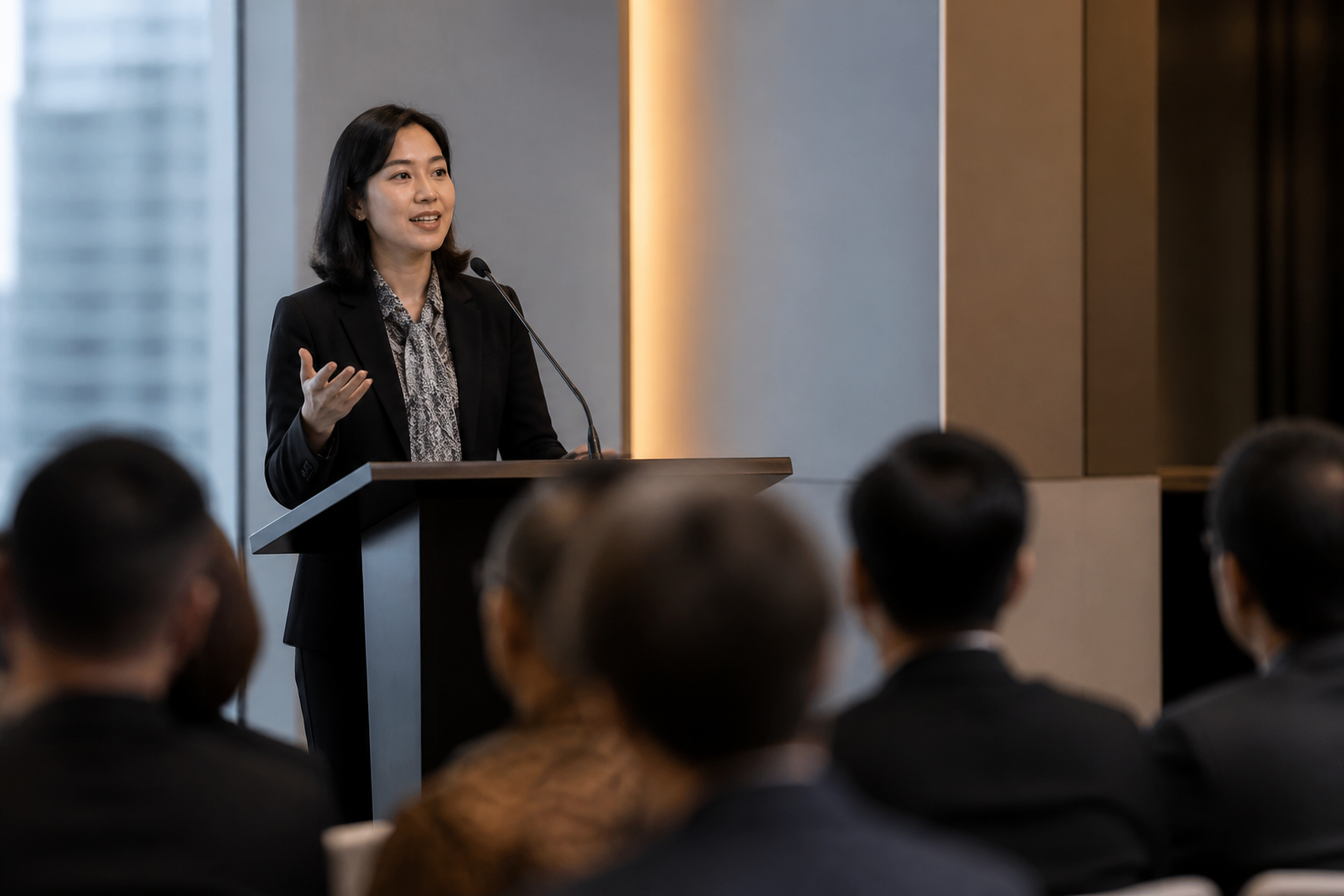
Indonesia’s vibrant event landscape—ranging from tech summits and fitness retreats to creative workshops—frequently attracts international talent. For freelancers, professional coaches, and guest speakers, the primary legal hurdle has historically been the distinction between "visiting" and "working."
Traditionally, a standard business visa allows for meetings and seminars but strictly prohibits receiving local payment. The C10 Visa, streamlined under the latest regulations from the Directorate General of Immigration, provides a specific legal pathway for those coming to Indonesia to participate in an event and receive remuneration for it.
What is the C10 Visa?
The C10 Visa is a Limited Stay Visa category designed for individuals participating in activities related to commercial exhibitions, music performances, sports competitions, or professional training and coaching.
Unlike the B-series visit visas, which are generally reserved for non-remunerative business discussions, the C10 category recognizes that the participant is providing a service or talent for which they are being compensated. This makes it the essential tool for international experts invited to speak at a conference for a fee or athletes competing for prize money. If you are unsure which category fits your activity, you can view our Indonesian visa service options to compare requirements.
Who Should Use the C10 Visa?
This visa is specifically tailored for short-term engagements. It is ideal for:
- Keynote Speakers and Panelists: Professionals paid to share expertise at industry events.
- Professional Coaches: Individuals leading specialized workshops, fitness retreats, or corporate training sessions.
- Event Participants: Freelancers or specialists participating in exhibitions or creative showcases.
- Athletes and Performers: Those entering competitions where financial prizes or appearance fees are involved.
The Requirement for a Local Sponsor
A critical aspect of the C10 Visa is the requirement for an Indonesian legal entity to act as a sponsor. You cannot apply for this visa independently without a connection to a local organization.
The sponsor is typically the event organizer, a training agency, or the company hosting the competition. They must be registered with the Ministry of Law and Human Rights and possess the authority to invite foreign talent through the official immigration portal. For organizations needing to bring in multiple experts, we can help you manage the sponsorship and e-visa process efficiently.
Key Documents and Process
To ensure a smooth application process via the Molina/EVisa portal, participants and their sponsors must prepare:
- Passport: Valid for at least six months beyond the date of entry.
- Invitation Letter: A formal document from the Indonesian sponsor detailing the event, the participant’s role, and the duration of stay.
- Proof of Remuneration: Evidence of the fee, prize, or payment structure agreed upon.
- Proof of Funds: Documentation showing the applicant has sufficient means (typically USD 2,000 or equivalent) to support themselves.
- Recent Photograph: Meeting Indonesian immigration standards.
Once the sponsor uploads these documents and pays the applicable PNBP (Penerimaan Negara Bukan Pajak or Non-Tax Revenue) fees, the e-Visa is issued electronically.
Compliance and Tax Considerations
While the C10 Visa grants the right to be paid, it is important to understand the associated tax implications. Under Indonesian law, individuals who are not tax residents but earn income from Indonesian sources are generally subject to a 20% withholding tax under Article 26.
However, if your home country has a Double Taxation Avoidance Agreement (DTAA) with Indonesia, you may be eligible for a reduced rate. This requires providing a valid Certificate of Domicile (CoD) to the Indonesian payor. You can verify tax filing requirements through the Directorate General of Taxes.
Common Pitfalls to Avoid
Operating in Indonesia requires strict adherence to the scope of your visa. Common mistakes include:
- Using a Tourist Visa (B1): Performing for a fee or coaching under a tourist visa is a violation of law and can lead to deportation.
- Overstaying: The C10 is a short-term visa. If your schedule changes, you must ensure your stay remains within the validity period.
- Working Outside the Scope: The C10 is specific to the activity mentioned in the application. You cannot use it to take up regular employment with a different Indonesian company.
Indonesian immigration regulations are subject to frequent updates. Ensuring that your sponsor is properly registered and that your activity matches the specific visa index is essential to avoiding legal friction. If your stay requires a longer commitment, you may need to apply for a standard working KITAS instead.
At Celerity, we assist event organizers and international talent in navigating these complexities. We ensure your entry is compliant, allowing you to focus on your performance or presentation. We recommend consulting with our legal experts to confirm your specific requirements.